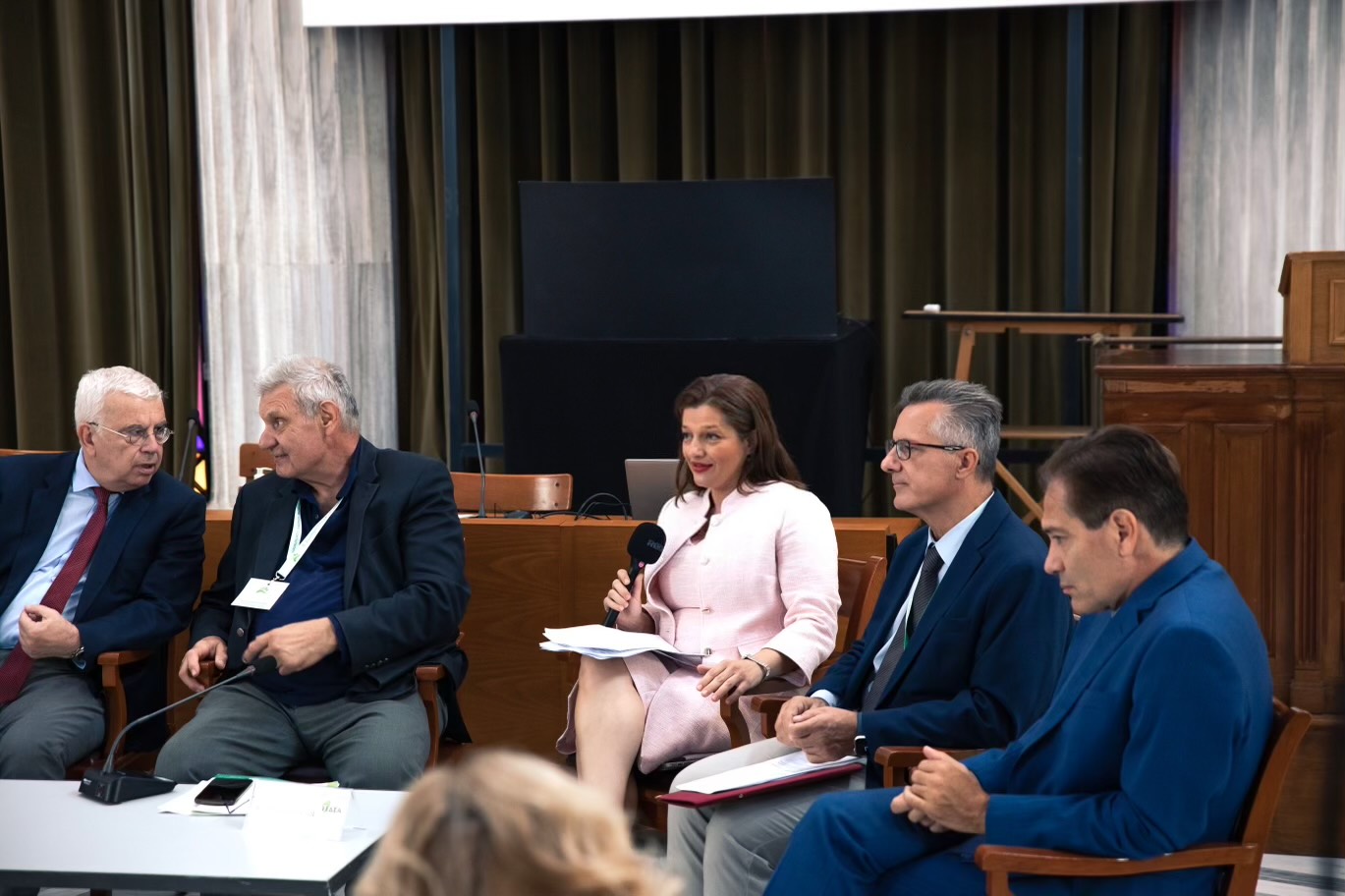
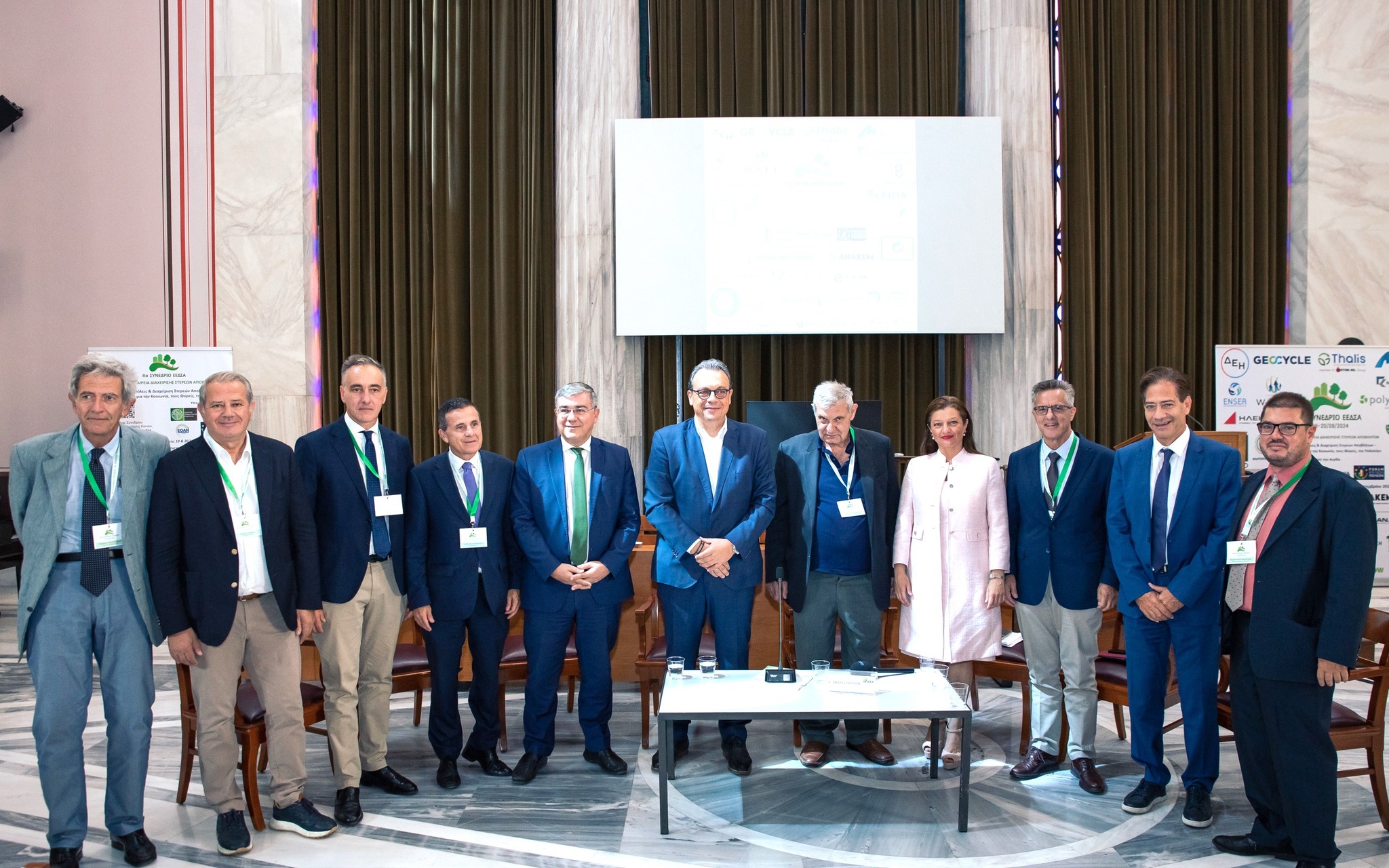
Speaker at the 8th Conference of HSWMA on Circular Cities
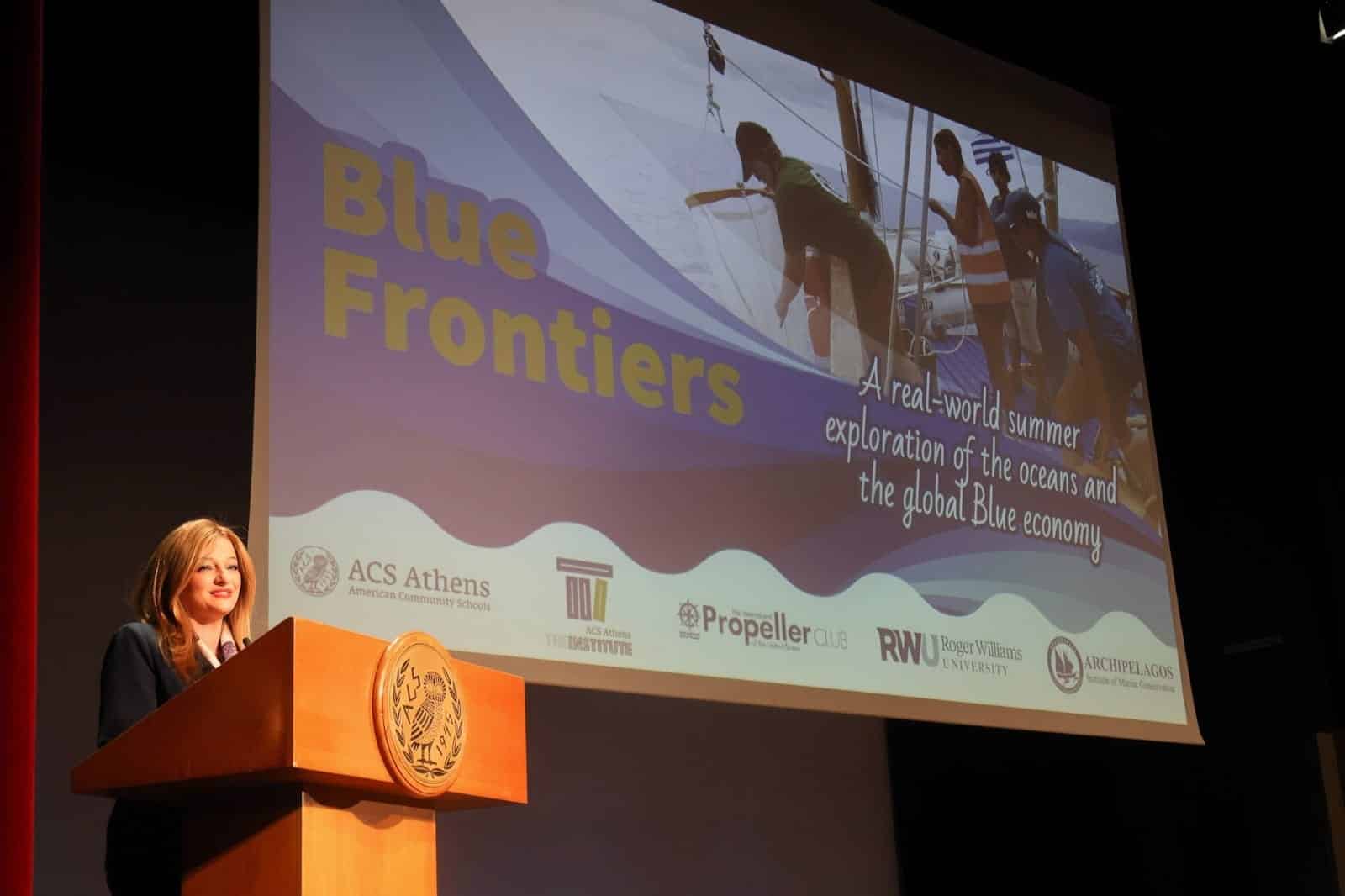
Dr. Avgerinopoulou referred to the actions and priorities of the Parliamentary Environment Committee on the critical issue of the transition to a circular economy during her speech at the 8th Conference of the Hellenic Solid Waste Management Association (HSWMA), titled: “Circular Cities & Solid Waste Management – Challenges for Society, Institutions, and the State.” The Chair of the Parliamentary Environment Committee and Member of Parliament for Ilia participated in the special session entitled “Public Policies for Accelerating the Country’s Transition to a Circular Economy,” which aimed to highlight current challenges and requirements so that the identification of best practices and synergies can effectively contribute to achieving circular economy goals.
Dr. Avgerinopoulou placed particular emphasis on the urban system, noting that “50% of the global population lives in cities, which must be transformed into circular, sustainable, and smart cities, for the benefit of both citizens and ecosystems.” She stressed that the transition to circular cities—where waste is transformed into resources for reuse—constitutes a response to the energy, climate, and environmental crisis and is one of the key priorities of the Parliamentary Environment Committee.
She referred to Greece’s National Waste Management Plan 2020–2030, which sets ambitious targets aligned with EU directives on source separation and the circular economy package. These include increasing preparation for reuse and recycling of municipal solid waste to at least 55% by weight by 2025 and 60% by 2030, as well as reducing landfill disposal to 10% of total municipal waste by 2030.
Regarding waste reduction, she emphasized that beyond public policies and supporting infrastructure, the participation of local businesses, local government, and civil society is essential through lifelong learning and awareness, as the circular economy can only be achieved and sustained through a fully engaged and committed societal model.
She also referred to the implementation of the “Pay as You Throw” principle, source separation systems with expanded collection networks for recyclables and bio-waste, recycling sorting centers, the development of a national network of bio-waste treatment facilities, the promotion of alternative secondary fuels, and the nationwide coverage of construction and demolition waste management systems. She placed special emphasis on agricultural plastics, including pesticide packaging, and the draft Joint Ministerial Decision on Extended Producer Responsibility for Agricultural Plastics, which was under public consultation. She also noted upcoming initiatives for textiles, apparel, hairdressing products, and food circularity.
She highlighted the resolution of a long-standing environmental issue in the Municipality of Pyrgos through funding for the management of baled waste in the Potoki area and its transfer to the Triantafyllia landfill site, followed by the environmental restoration of the degraded area.
Dr. Avgerinopoulou also referred to the 9th Our Ocean Conference and Greece’s 21 commitments worth approximately €780 million to address plastic pollution and protect the Mediterranean Sea, including targets to remove 50% of plastic waste from waters and reduce microplastics by 30% by 2030 compared to 2019 levels.
In conclusion, she stressed that actions at national, regional, and international level must become more decisive in order to deliver immediate results toward strengthening circularity, which she described as the life cycle of the Earth that “must continue as a spiral and not close definitively.”

Leave A Comment