Greek Cruise Industry at the Forefront of the Green Transition
Strategic investments and climate resilience for a new era of blue growth
ATHENS, 29 April 2026
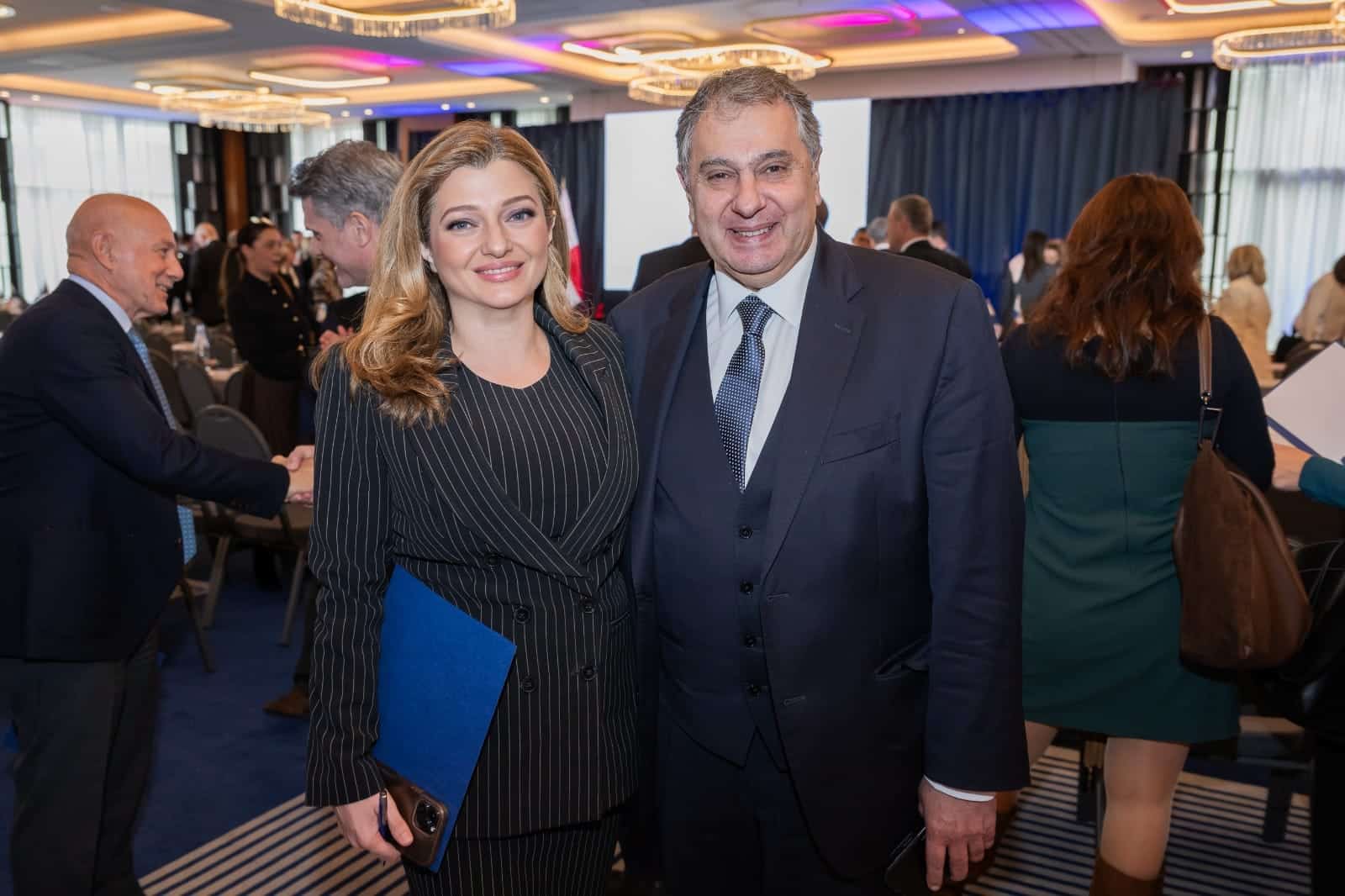
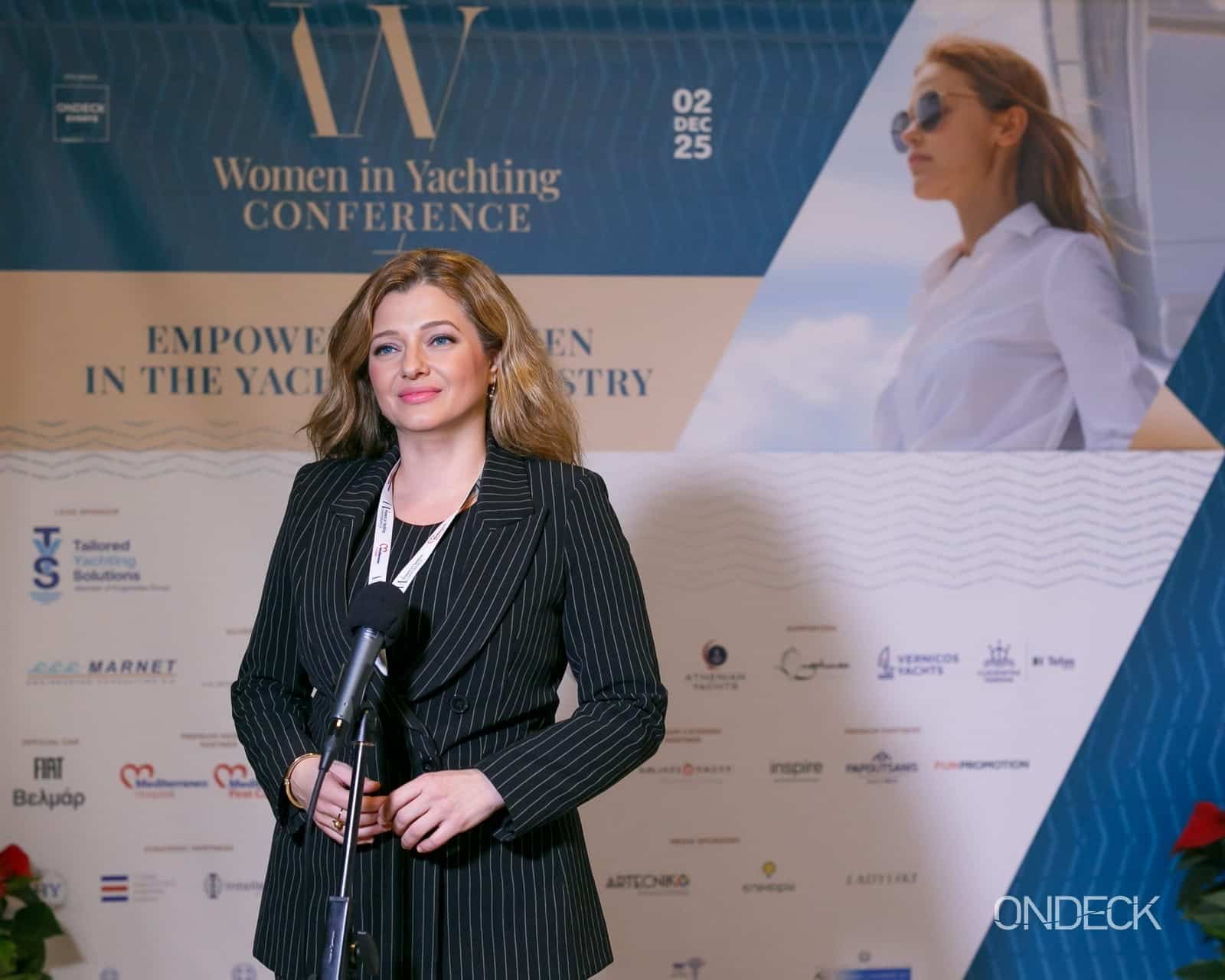
With a speech that placed the harmonious balance between economic progress and marine protection at its core, Dr. Dionysia-Theodora Avgerinopoulou, Chair of the Committee on Environmental Protection of the Hellenic Parliament and Envoy of the Greek Prime Minister for the Oceans, set out the vision for a new era in Greek tourism.
As a speaker at the first CLIA (Cruise Lines International Association) Policy Event in Greece, held at the historic Athens Club and organized by CLIA Eastern Mediterranean Director Ms. Maria Deligianni, Dr. Avgerinopoulou presented the country’s strategy for transitioning the cruise sector toward a model that combines the uncompromising protection of marine ecosystems with strategic growth.
She underlined that the strategy for sustainable cruising focuses on immediate decarbonization and the adoption of cutting-edge technologies. In 12 selected Greek ports, the installation of shore power systems (Cold Ironing) is already underway. This technology allows ships to shut down their engines while docked, significantly reducing emissions and noise, transforming ports into models of balance between tourism activity and environmental integrity.
Financing this transition is a key pillar of climate protection, with Greece utilizing instruments such as the Decarbonization Fund and the Recovery and Resilience Facility to upgrade port infrastructure. Within the framework of the EU “Fit for 55” regulations, she emphasized that Greece is investing in infrastructure for alternative fuels such as LNG and biofuels, ensuring that by 2030 all major ports will provide shore-side electricity supply. This effort is further strengthened through Greece’s international presence via the Ocean Pioneers initiative and the signing of the Mercator Convention, opening the way for the use of artificial intelligence and digital tools in ocean data analysis and marine protection.
She highlighted that the cruise sector is one of the most resilient pillars of the national economy, contributing €3.1 billion in 2024, up from €2 billion the previous year. The industry supports 32,900 jobs and contributes €1.55 billion to GDP, while environmental innovation remains central, with 82.4% of the fleet now equipped with advanced wastewater treatment systems (AWTS).
Alongside cruise tourism, Dr. Avgerinopoulou also emphasized the importance of sustainable fisheries, noting that climate resilience must include the primary marine sector. Through targeted funding programs such as the European Maritime, Fisheries and Aquaculture Fund (EMFAF), the modernization of the fishing fleet is being promoted, alongside the transition to low-energy vessels and biodiversity-friendly practices. This strategy aims to safeguard fish stocks and strengthen coastal community resilience, ensuring that fishermen’s economic viability goes hand in hand with marine ecosystem health.
Closing her intervention, Dr. Avgerinopoulou extended an official invitation for an open institutional dialogue at the Parliamentary Committee on Environmental Protection, aiming to strengthen a resilient tourism product through cooperation among all stakeholders.
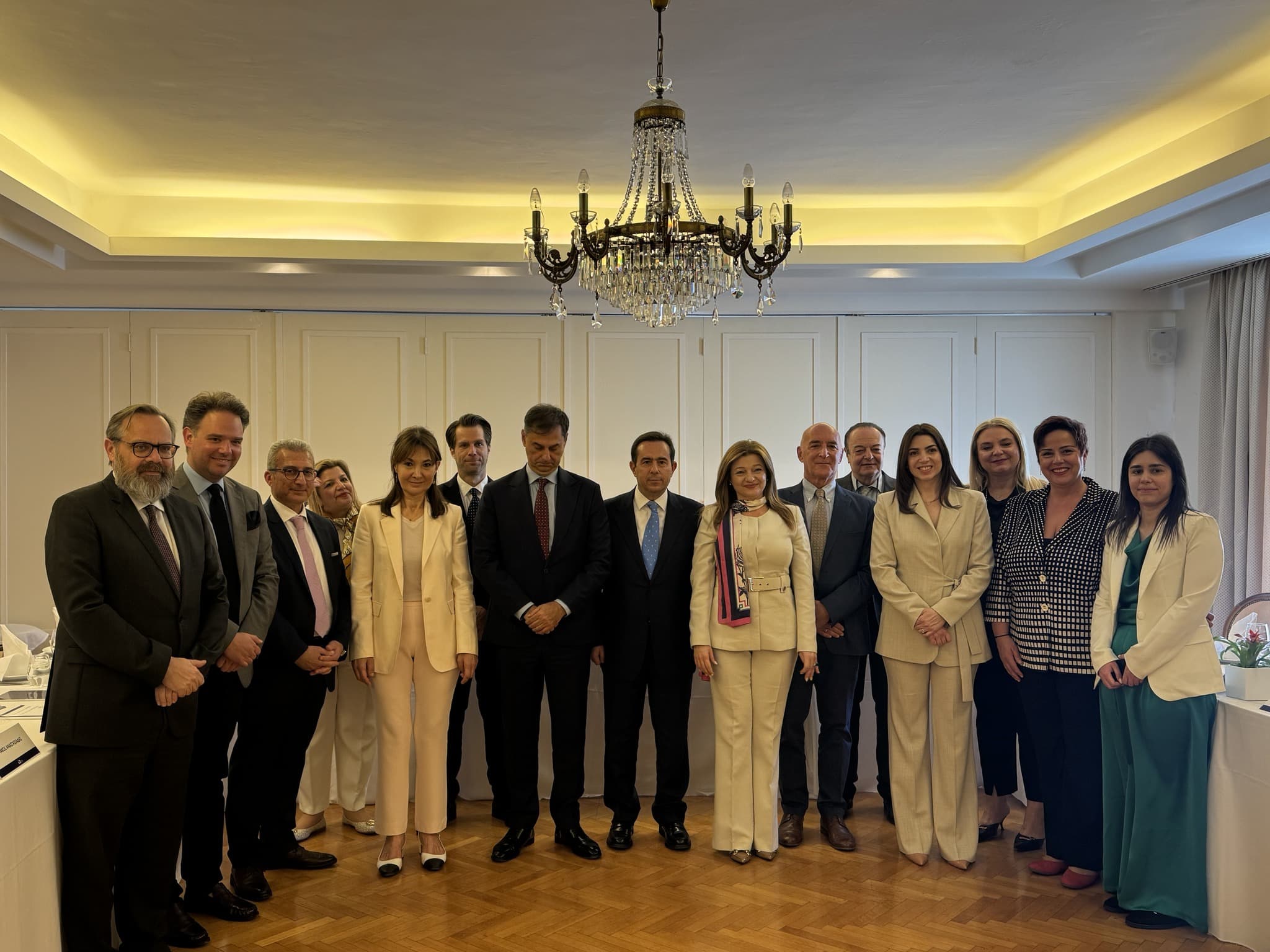
The event was attended by senior officials including the Deputy Minister of Foreign Affairs Mr. Charis Theocharis, the Secretary General for Ports Mr. Evangelos Kyriazopoulos, the Secretary General for the Aegean and Island Policy Mr. Manolis Koutoulakis, Member of Parliament Mr. Notis Mitarachi, and senior representatives of CLIA and leading cruise companies such as Celestyal and MSC.


Leave A Comment